Third Grade is the "Turning Point"

Third grade is the ultimate turning point in elementary because it is the year students "stop learning to read" and "read to learn" What does that look like exactly?
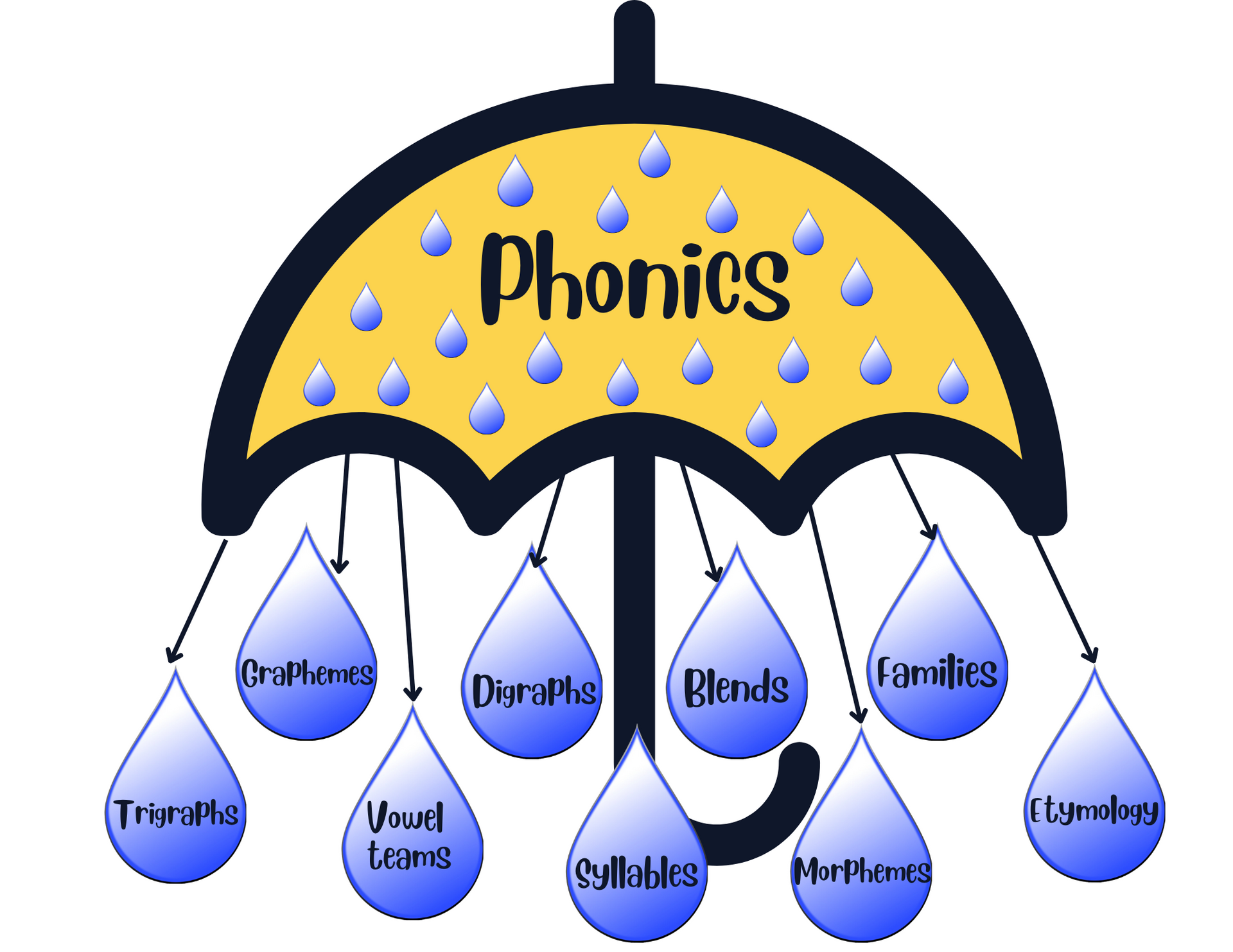
Teachers move past decoding words, basically phonics, and assume your child has mastered reading fluently while moving on to using texts that focus on science, social studies, history, and wordy math problems
Up until now, your child’s backpack was filled with phonics worksheets and books about cats sitting on mats. This year, the cat has left the mat, hopped into a time machine, and your child is expected to read a three-page passage to figure out why he did .
The Reading Shift: Goodbye Phonics, Hello Detective Work
- The third-grade curriculum shifts the spotlight from matching letters to sounds to actually using those words to discover how the world works.
- Kids must read lengthier stories and find actual evidence to prove from the text that proves why a character acts the way they do. Simple picture books are replaced by chapter books with complex plots, fewer pictures, and vocabulary that requires actual brainpower.
- Simple picture books are replaced by chapter books with complex plots, fewer pictures, and vocabulary that requires actual brainpower.
- The curriculum splits time between storybooks and informational texts, meaning they are reading to learn about things like extreme weather or ancient civilizations.
Writing Shifts to Reporting
- The Essay Introduction: Students move from writing single sentences to composing structured, multi-paragraph paragraphs.
- Opinion Pieces: They must read an article, form an opinion, and write a report using facts from the text to support their argument.
- Informational Reports: Kids read about a topic and write a summary explaining what they learned, proving they absorbed the information.
Long-Term Statistical Impacts
Research highlights that a student's performance by the end of third grade is a powerful predictor of their lifelong academic and career success. This may seem far-fetched but numbers don't lie.
- Dropout Risks: According to historical data from the Annie E. Casey Foundation, children who are not proficient readers by the end of third grade are four times more likely to drop out of high school than their peers. [1, 2]
- Socioeconomic Vulnerability: For students living in poverty who miss this reading benchmark, the risk of failing to graduate increases even more drastically. [1]
- Predictor of Future Achievement: Third-grade reading levels directly correlate with eighth-grade performance, ninth-grade course success, and subsequent college enrollment rates. [1]
If you believe your child falls into the category of not being fully prepared for 3rd grade, don't wait until they begin or the middle of the year when they will be knee deep in texts they find difficult to understand. Take action now. Click on the link for a free assessment.